Languages

Execution (Development, Testing, Final Preparation)

Purpose

The Execution stage is where strategies and plans become tangible results. Here, multidisciplinary teams are coordinated to develop, implement, and deliver the agreed-upon products, services, or solutions. Allocated resources are managed, compliance with quality standards is monitored, and effective communication among all stakeholders is promoted.

This is the most resource-intensive phase, requiring active leadership from the Project Manager and constant oversight from the Sponsor. Critical activities include solution development, testing (unit, modular, end-to-end, regression, UAT, performance, and code quality), infrastructure implementation, ensuring regulatory compliance (such as SOX), and training key users and the help desk.

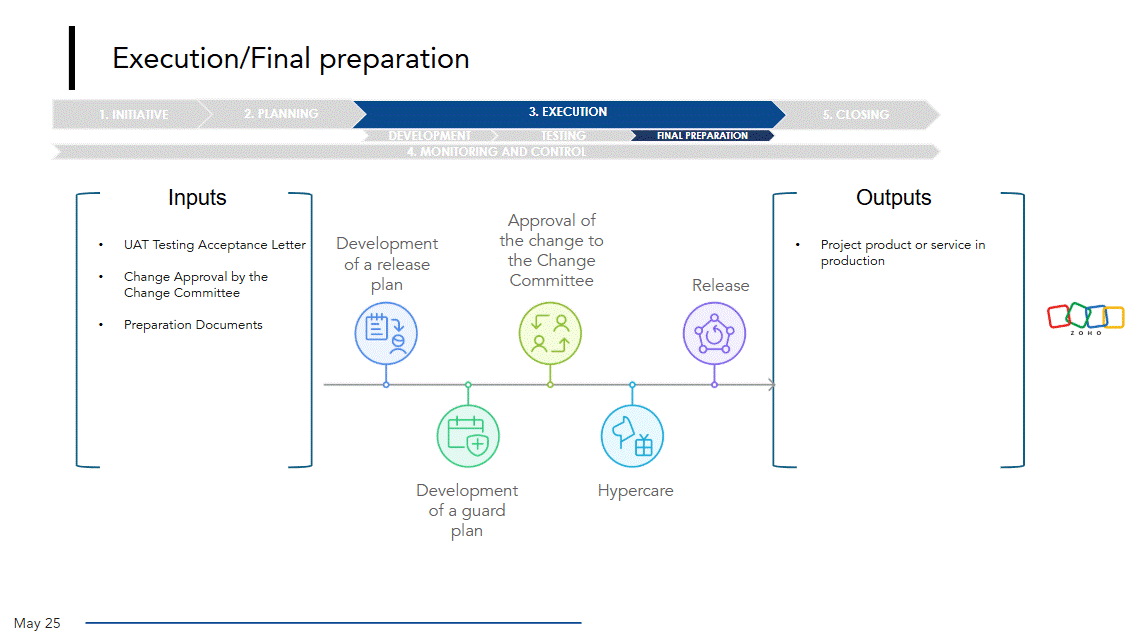
As well as a Hypercare stage to ensure integrity and timely attention to incidents that may arise post-release.

The ultimate goal is to deliver a functional, tested and validated product or service, ready for production operation.


Important Milestones:

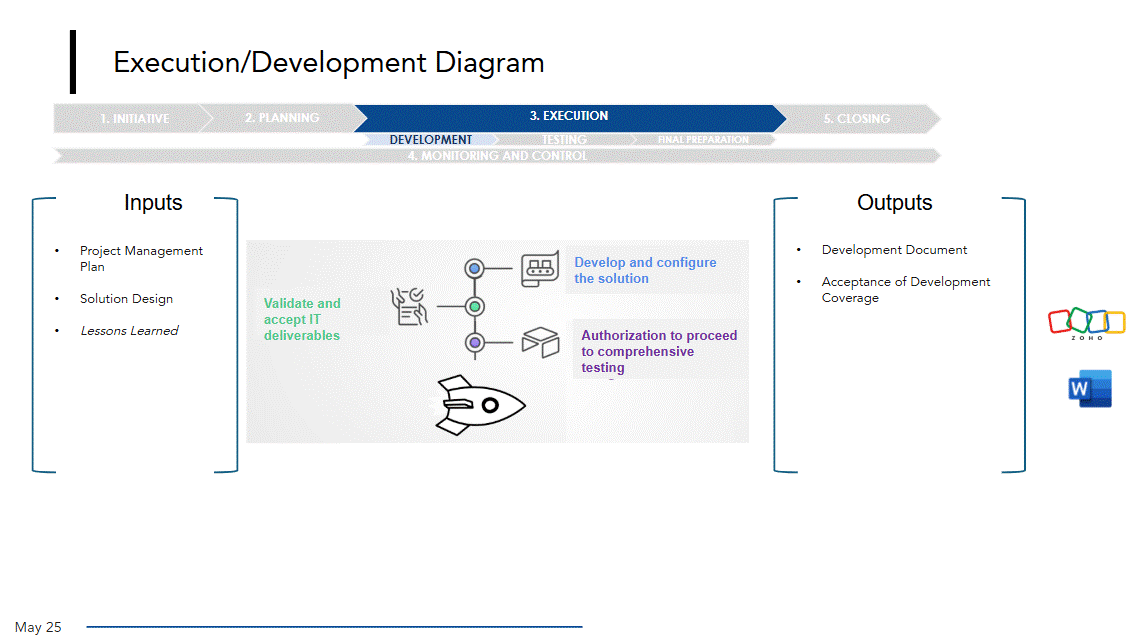
Development

  • Infrastructure Implementation
  • SOX Controls Implementation
  • Cybersecurity
  • Roles and Privileges Matrix
  • Development
  • Unit Testing Evidence (Techniques and Integration)
  • Development Coverage Session


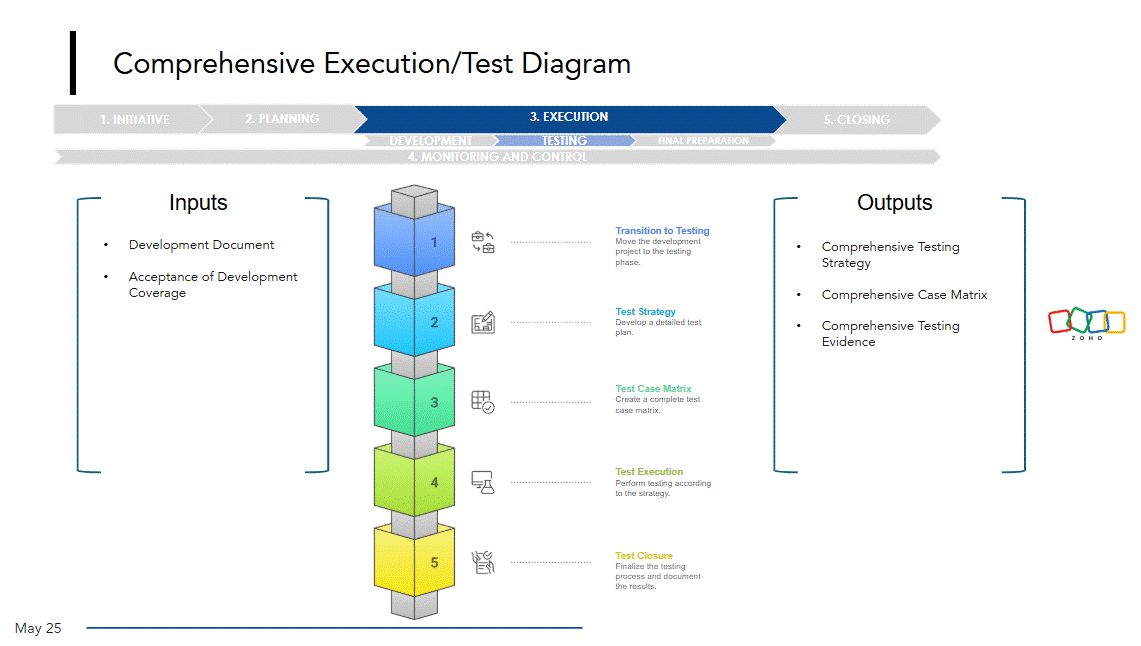
QA Testing

  • QA Test Strategy and Test Plan Presentation
  • QA Test Matrix V2
  • QA Test Execution
  • Defect Adjustment
  • Incident Log
  • Validation Checklist for Environments, Users and Test Cases
  • Evidence of Outcomes
  • Daily QA Test Report
  • QA Acceptance Letters


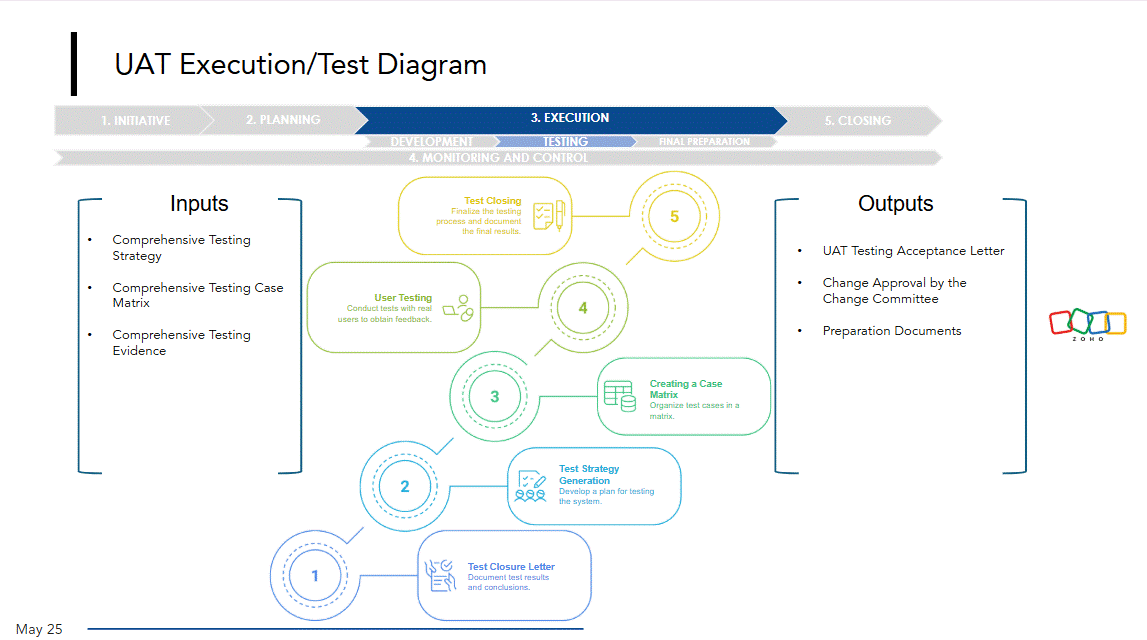
UAT Testing

  • UAT Test Strategy and Test Plan Presentation
  • UAT Test Matrix
  • UAT Test Execution
  • Defect Adjustment
  • Incident Log
  • Validation Checklist for Environments, Users and Test Cases
  • Evidence of Outcomes
  • UAT Test Daily Report
  • UAT Acceptance Letters
  • Non-Impact Testing
  • DLU


Final Preparation

  • Infrastructure Implementation
  • SOX Controls Implementation
  • Installation Manual
  • User Manuals
  • Training & Communications
  • Transition to Operation Training
  • Validation and Assignment of Roles and Privileges
  • Preparation of the MbM Release Plan
  • Release Management
  • Release Coordination
  • Go Live
  • Release
  • Hypercare
  • Hypercare Report
  • Hypercare Shutdown

Associated processes:

DEVELOPMENT

5. Develop IT Solutions


TESTING

6. Manage Test Strategy

7. Manage Execution (Comprehensive Testing)

8. Manage Execution (User Testing) 


FINAL PREPARATION

9. Final Preparation

10. Manage Project Release

11. Hypercare